Calm by Design, Warm by Choice

Today we explore Cozy Minimalism: Designing Calm Rooms with Softer, Fewer Elements, focusing on spaces that feel gentle, grounded, and deeply livable. Expect tactile textures, thoughtful editing, and supportive light. We’ll combine practical steps, small stories, and mindful habits so you can create comfort without clutter, personality without noise. Share your questions and wins as we build serene corners, one compassionate decision at a time.

What Cozy Minimalism Really Feels Like

Cozy minimalism balances less with warmth, proving restraint does not require sterility. Imagine a room where the eye rests easily and the hand naturally reaches for a soft throw, a beloved book, or a cup of tea. We keep only what serves, but ensure everything that remains supports rest, conversation, and daily rituals. Think intentional comfort, not austerity; curated breathing room, not emptiness; and a pace that slows your shoulders the moment you step inside.

Warmth Without Clutter

Instead of stacking shelves with countless objects, we choose a few meaningful pieces that hold stories: a handmade bowl, a woven basket, a timeworn stool. Each item earns its position by offering tactile comfort or emotional resonance. Visual noise drops, while intimacy grows. The result is a room that quietly invites you in, asking nothing more than to sit, breathe, and be, while daylight lingers across forgiving textures.

Function First, Feeling Always

Every decision begins with use: how the chair supports reading, where a lamp best eases nightfall, which surface keeps mornings unhurried. But function alone is incomplete without feeling, so we soften edges, warm materials, and edit sharply. The combination dignifies routine: pouring water feels ceremonious, stacking blankets feels mindful, and closing the door each evening feels like exhaling the day, slowly and completely, with gratitude.

Color Palettes That Breathe

Choose colors that rest gently on the eyes while offering depth through undertones and light. Soft whites with a clay whisper, mushroom taupes, foggy blues, and oat beiges create a flexible base for textiles and wood. Accents arrive sparingly, guided by mood and season. Let daylight, shadows, and evening lamplight steer final choices. The palette becomes a quiet backdrop that celebrates texture, treasured objects, and your unhurried routines.

Gentle Neutrals, Layered Depth

Neutrals need not be flat. Mix warm and cool undertones thoughtfully: ivory with linen, ash with sand, putty with pale stone. Paint finishes matter; matte absorbs glare and highlights texture. Fabric swatches tested at different hours reveal surprising shifts. The goal is dimensional calm, where each layer softly dialogues with the next, creating movement without chaos. Your walls become a whispering canvas, carrying light like a graceful, nearly invisible partner.

Accent Tones with Purpose

Accents earn their place by intention: a muted forest green cushion echoing a nearby plant, a cinnamon throw nodding to wood grain, or a slate vase grounding brightness. Keep saturation gentle to protect serenity. Introduce accents through replaceable items—textiles, art, flowers—so change is simple and seasonal. Each small note should hum, not shout, noticing your mood and evolving with it, like a friend who knows when to soften words.

Textures You Want to Touch

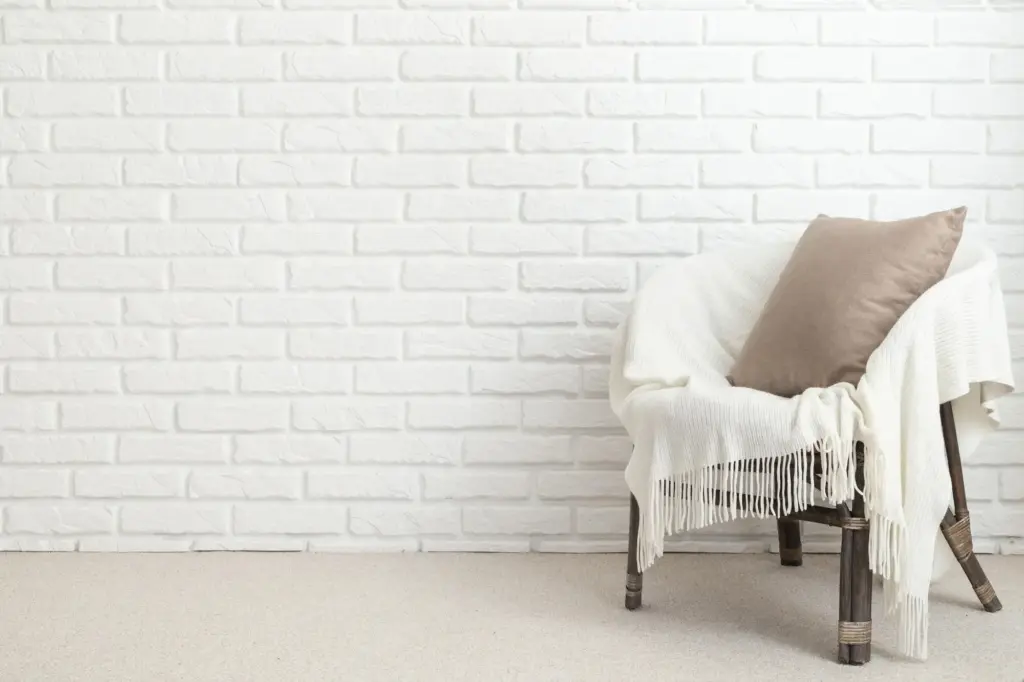
Texture supplies the coziness minimal spaces crave. Linen that wrinkles kindly, wool that softens sound, unfinished oak that welcomes a palm, and handmade ceramics that ground each sip—these are the anchors. The secret is contrast: plush against smooth, matte near subtle sheen. Balanced textures create visual rhythm without clutter, making restraint feel abundant. Choose tactile honesty over polish, letting natural variations narrate the beauty of lived-in comfort.

Furniture with Quiet Confidence

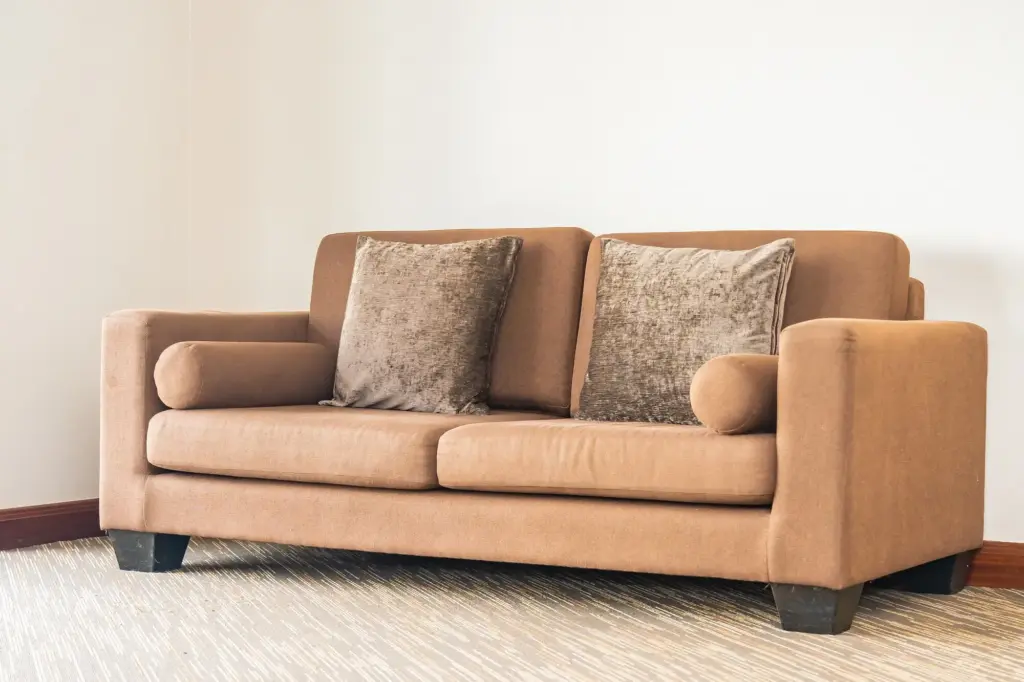
Let pieces be fewer but substantial, supporting posture, conversation, and flow. Choose silhouettes with softened corners, modest heights, and generous seats. Prioritize circulation so movement feels effortless. Each item should serve multiple moments: lounging, reading, hosting, napping. Avoid sets; instead, gather friends—sofa, lounge chair, ottoman—united by tone and texture. When furniture speaks softly, rooms listen, and your daily rhythms find a slower, kinder cadence.

Styling Less, Living More

Styling supports life, not the other way around. Surfaces deserve breathability: a lamp, a book, a bowl for keys, and one object that smiles back—a sprig, a candle, a small sculpture. Practice rituals that keep clutter from returning: reset trays each night, clear coffee tables weekly, retire extras seasonally. When styling reflects your rhythms, home becomes a quiet partner in presence, not another to-do on a loud, unending list.

Layered Glow, Not Glare

Think pyramids of light: ambient for overall calm, task for reading and work, accent for art and texture. Place sources at varied heights so the room feels enveloped rather than spotlighted. Diffuse bulbs with shades to soften contrast. Dim when conversation deepens, brighten when chores require focus. With layers, every hour has a fitting mood, and no corner feels ignored or aggressively lit like a stage at the wrong time.

Natural Daylight, Framed

Treat windows as living artworks. Choose sheer linens that temper brightness while permitting breeze. Keep sills uncluttered so the eye travels outward, expanding perceived space. Reflect daylight with pale walls and gentle mirrors placed opposite views. If privacy is needed, opt for layered treatments that adjust easily through the day. Daylight becomes your kindest collaborator, setting a rhythm that encourages presence, clarity, and a steady, reassuring pulse of calm.

Nighttime Warmth and Wind-Down

As evening approaches, lower intensity and warm the color temperature. Switch harsh task lamps off and let a few small pools of light remain. Candles or flameless alternatives add ritual without risk. Create a path from sofa to bed that whispers goodnight through softness. By staging the transition, your body receives permission to slow, and the room becomes a cocoon—gentle, protective, and ready to carry you into truly restful sleep.